Thursday, January 11, 2007

Drive-by Architecture Lesson

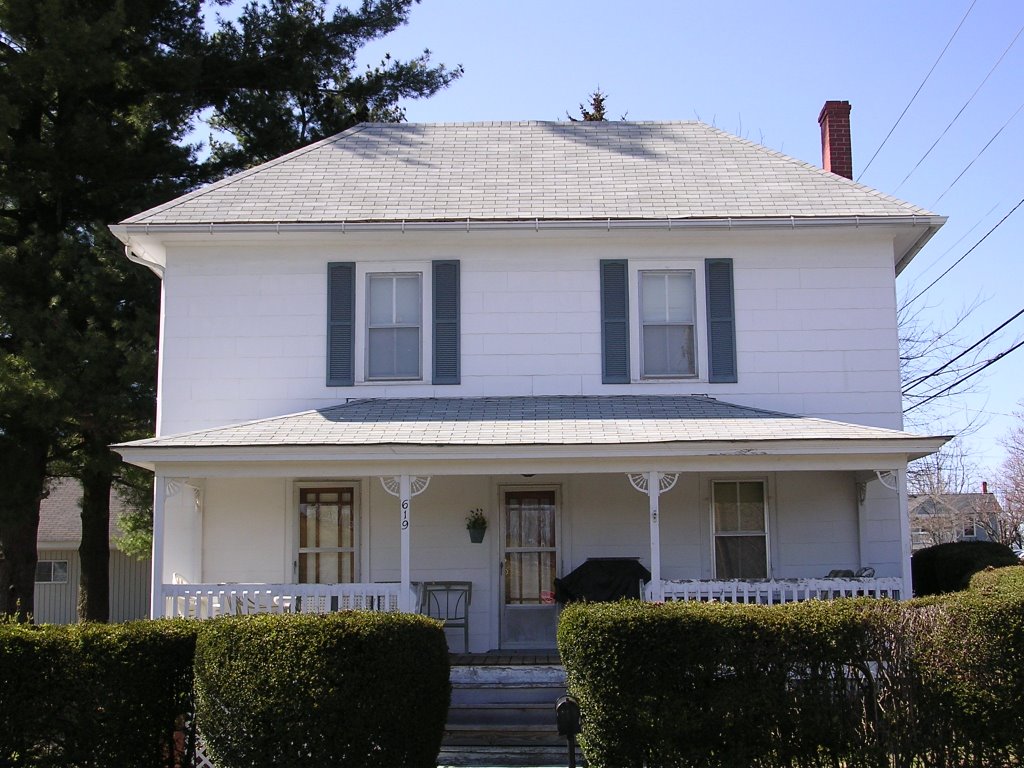
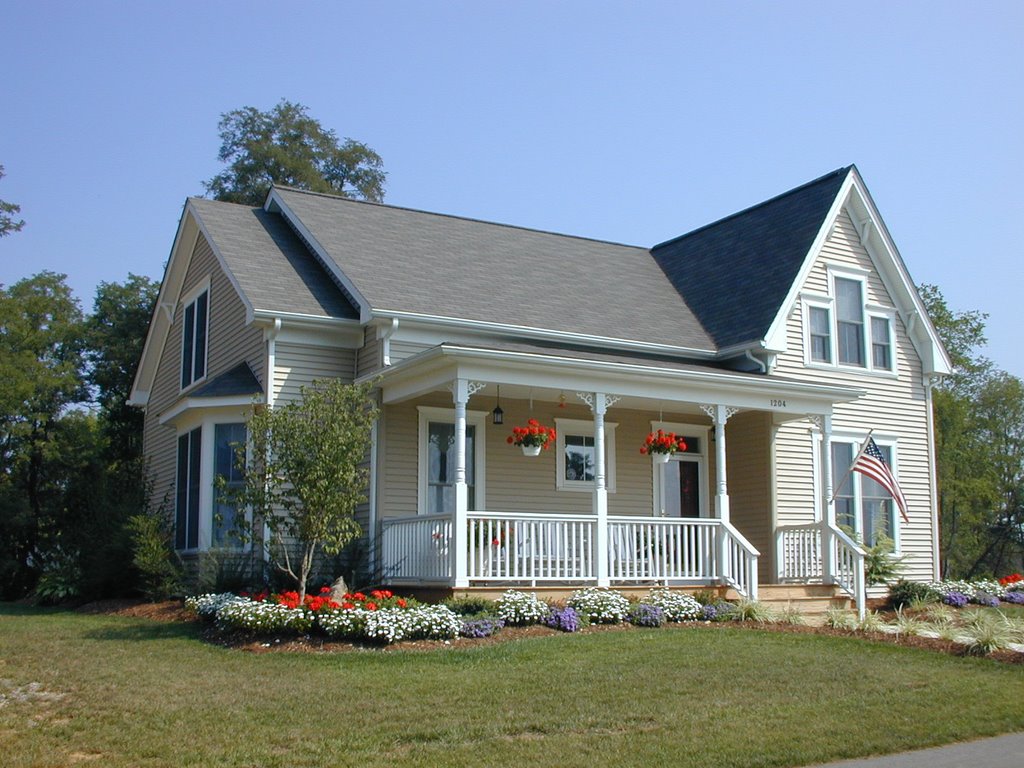
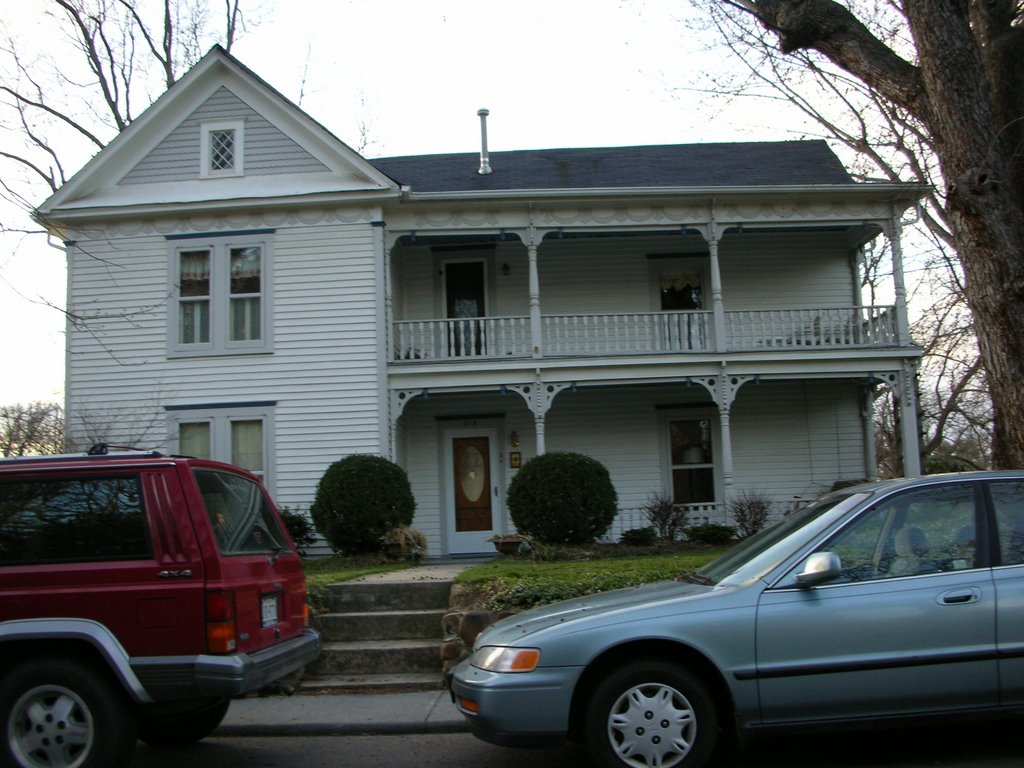
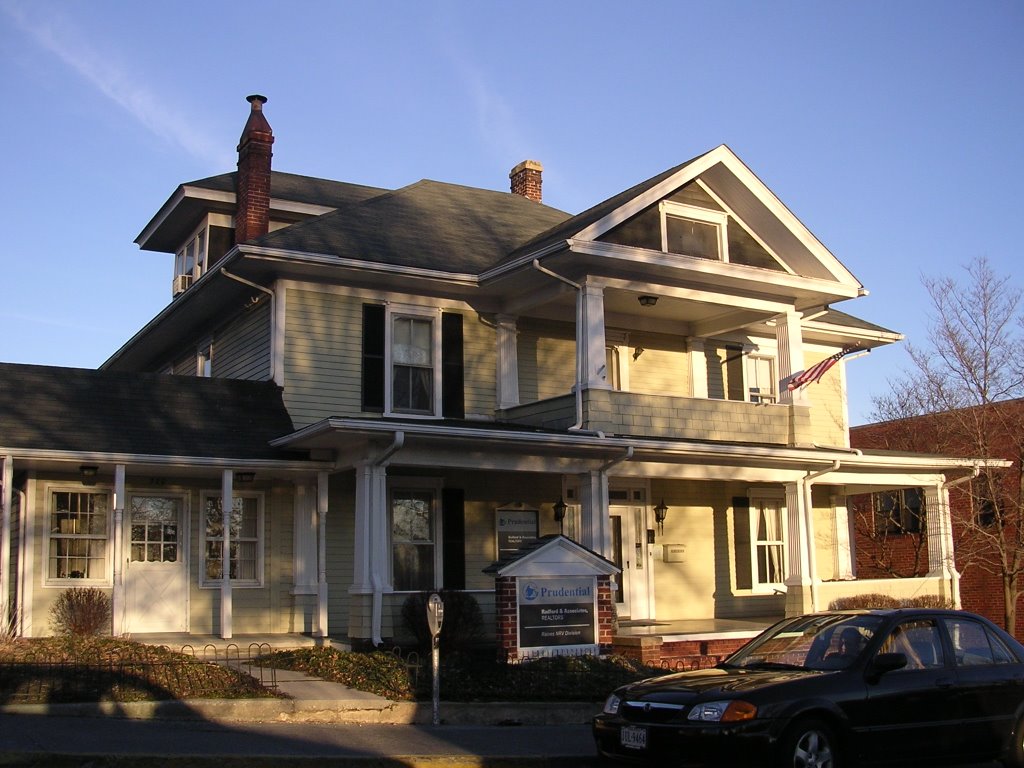
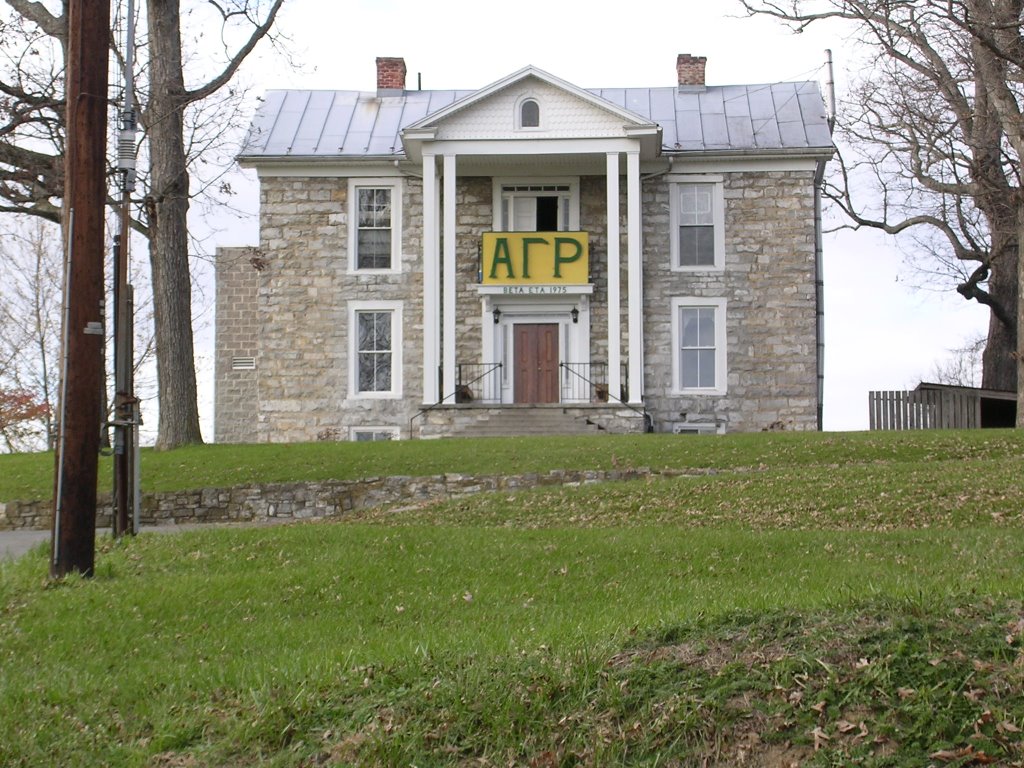
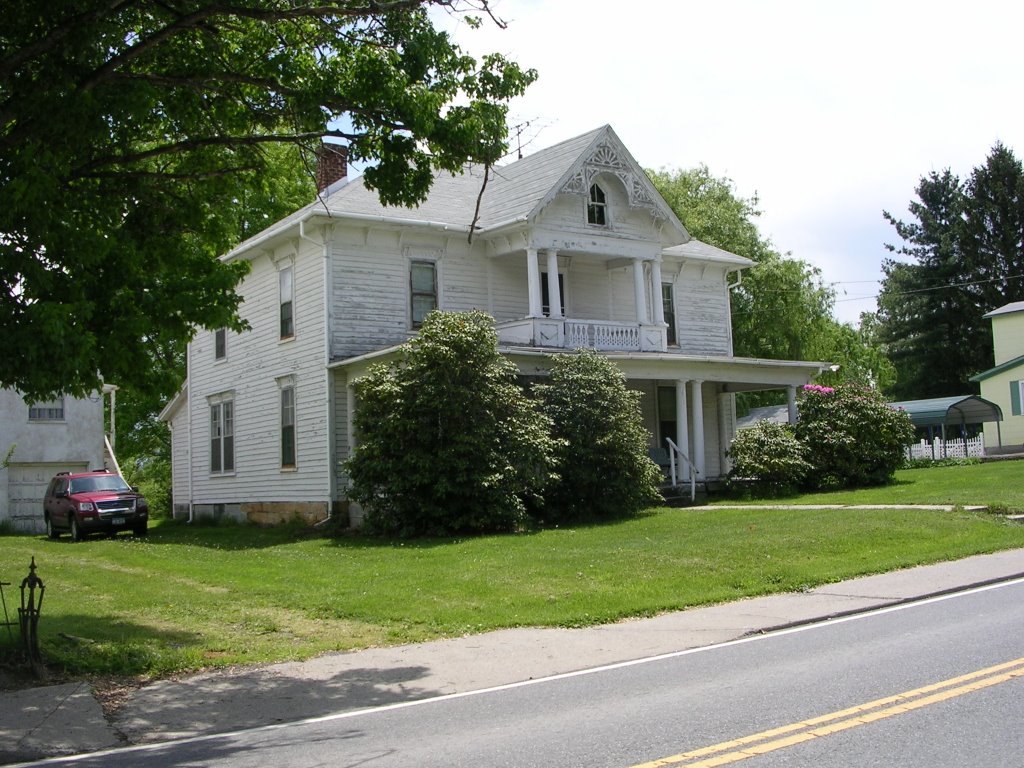
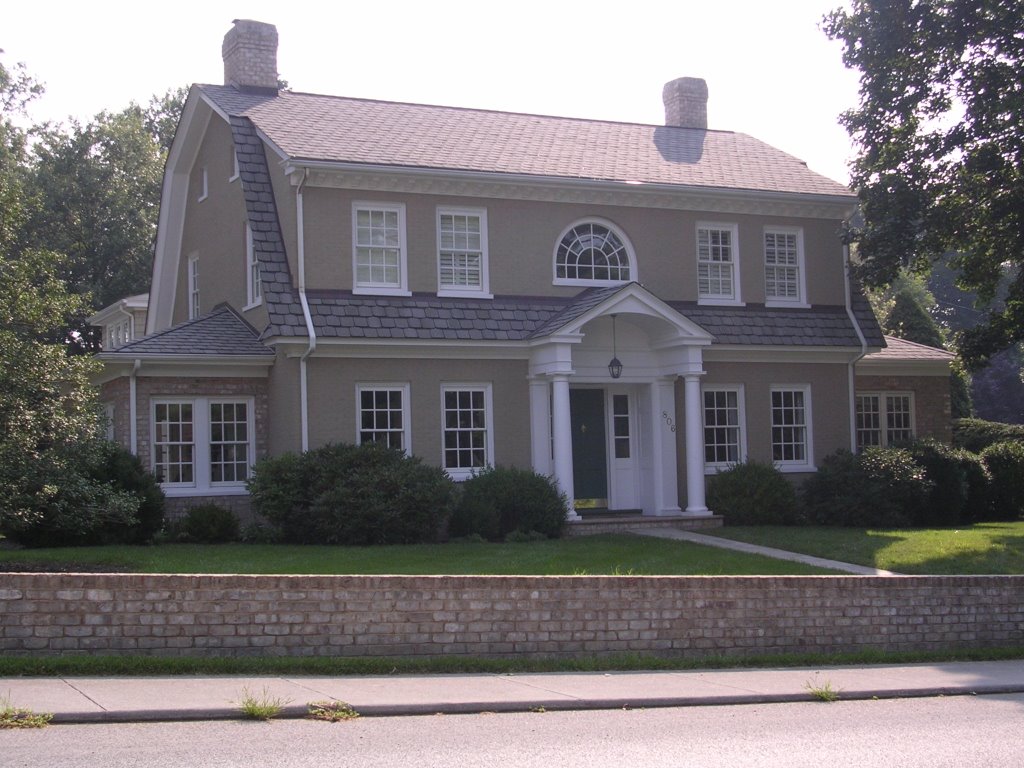
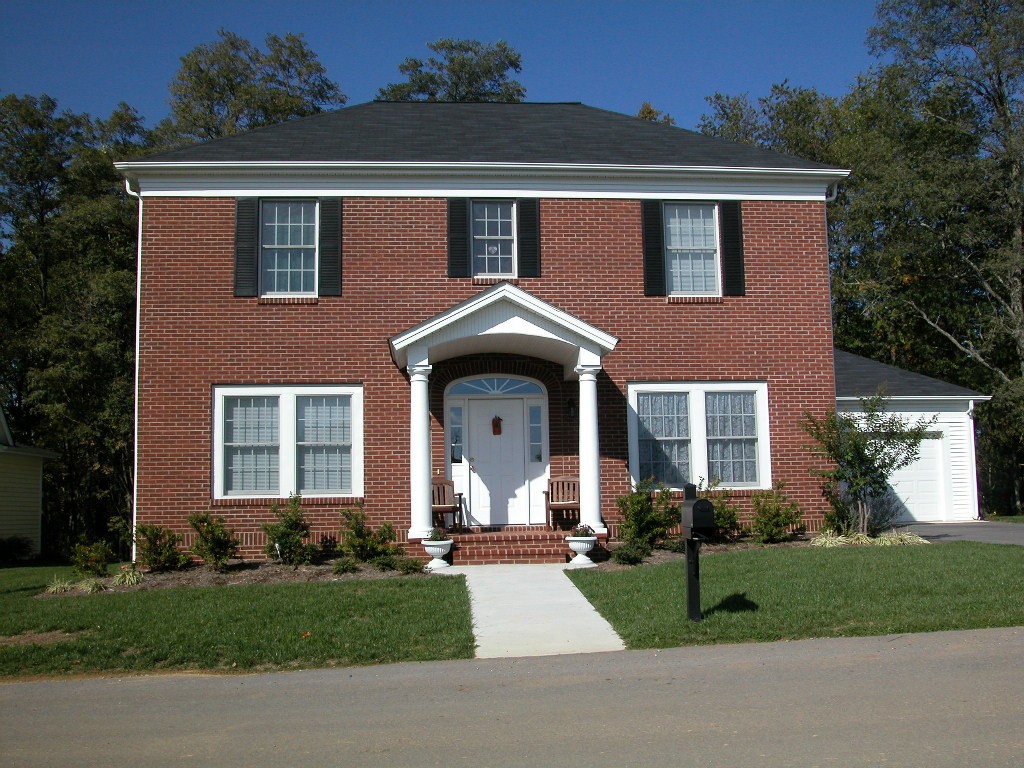
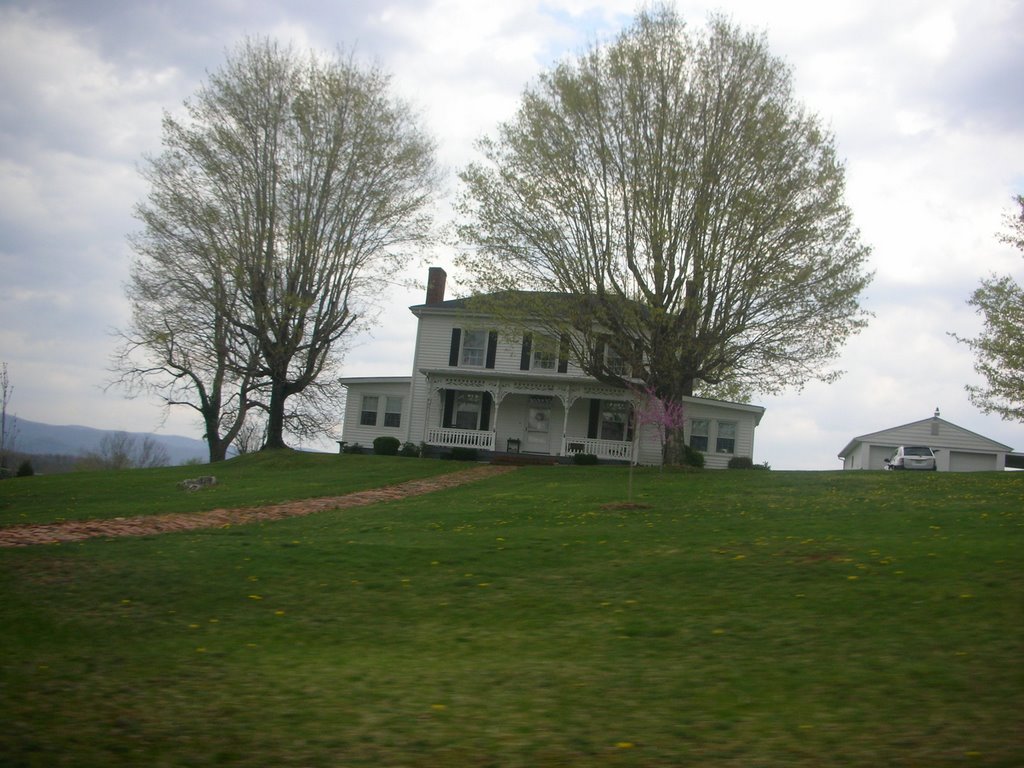
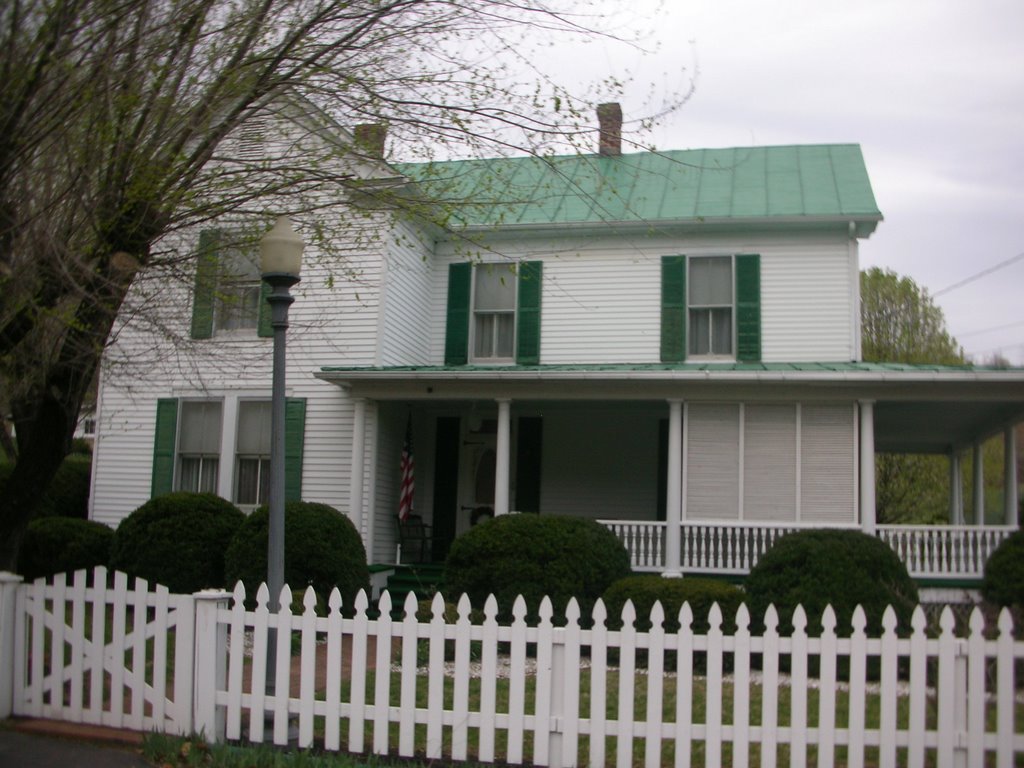
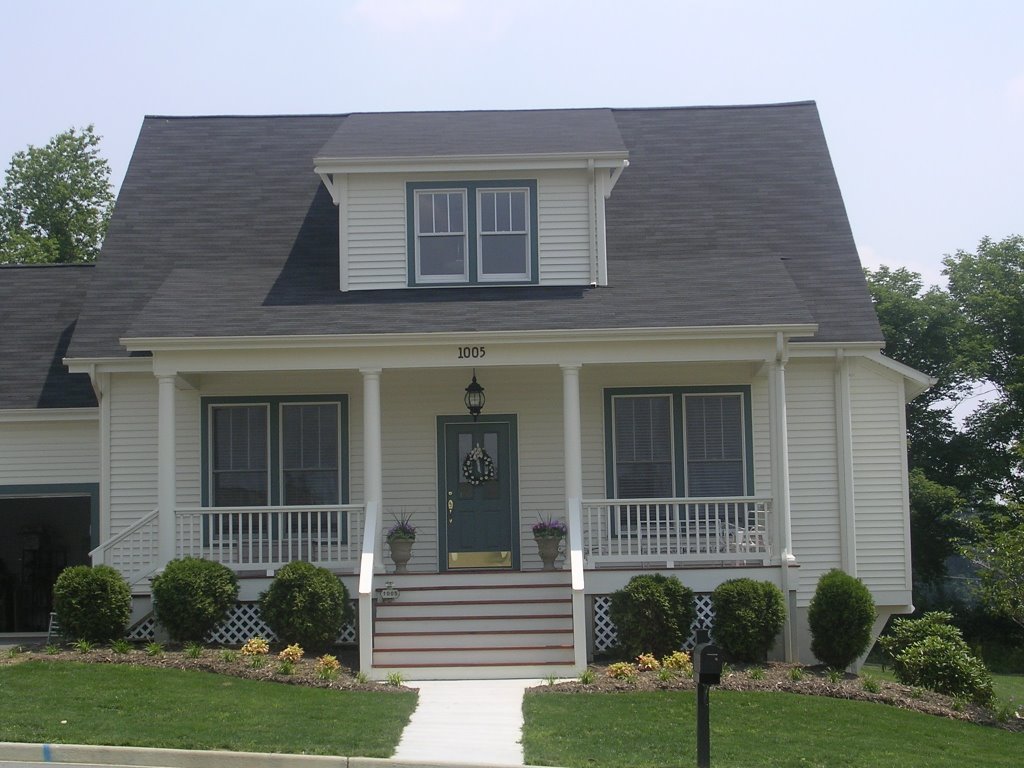
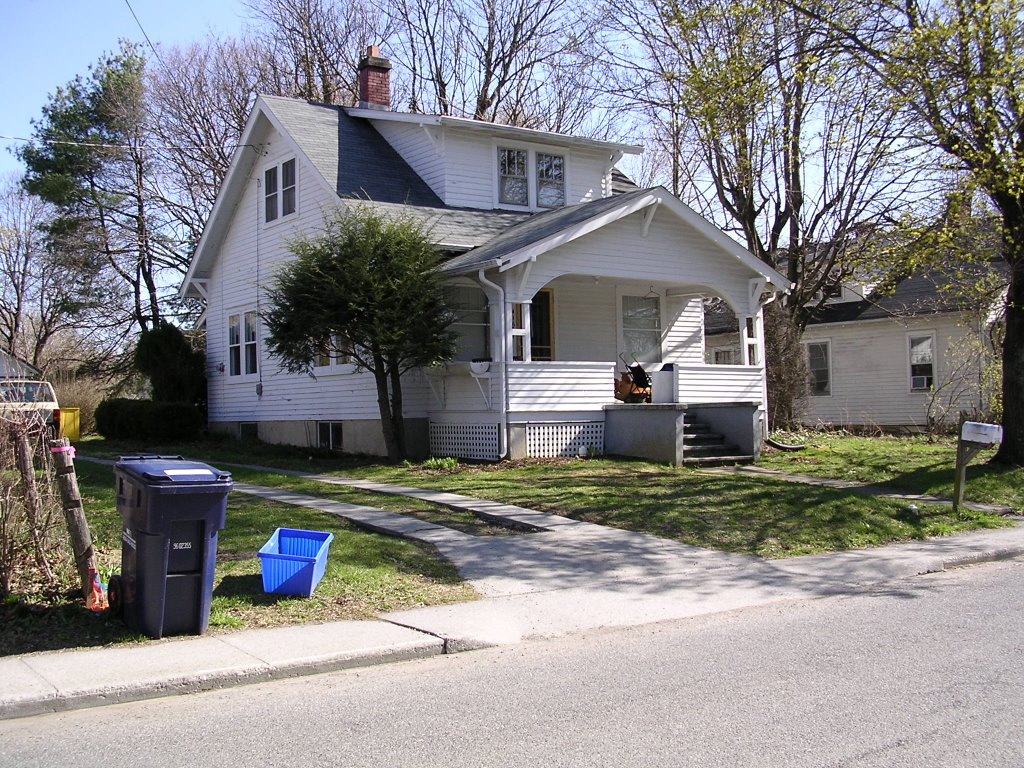
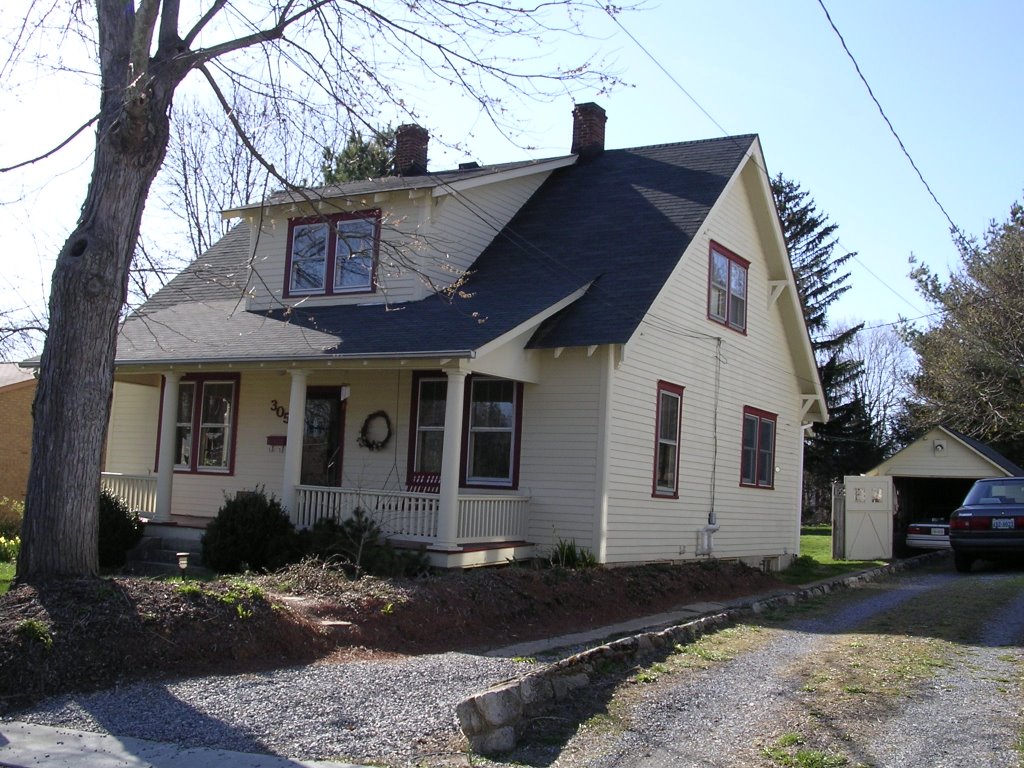
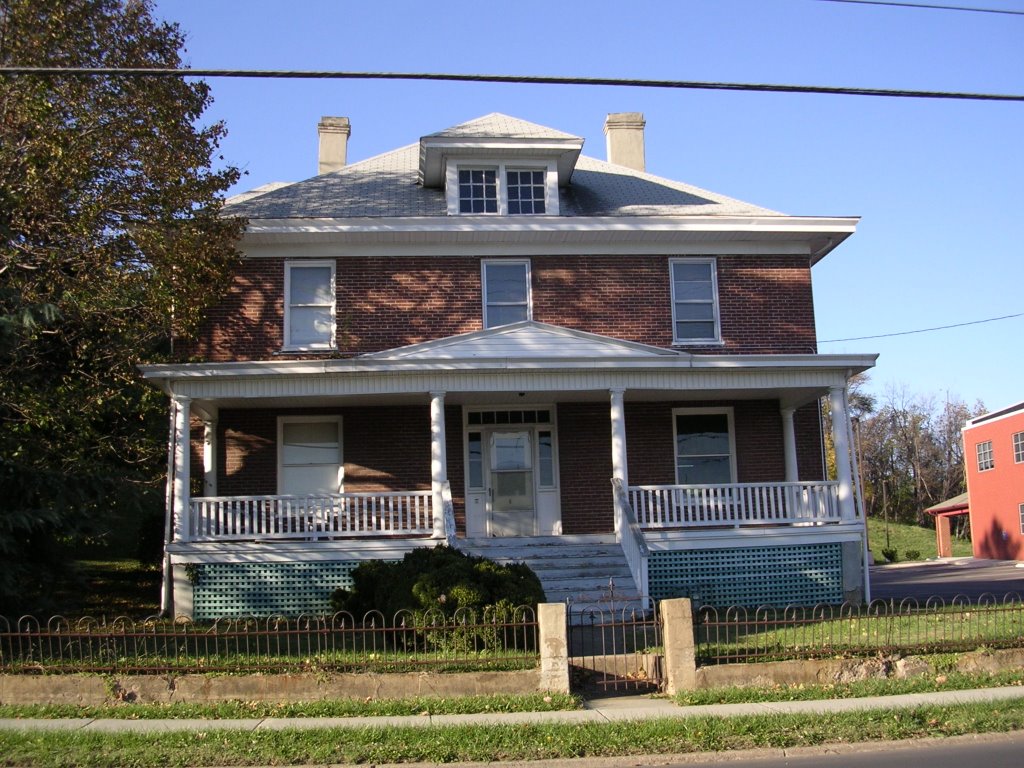
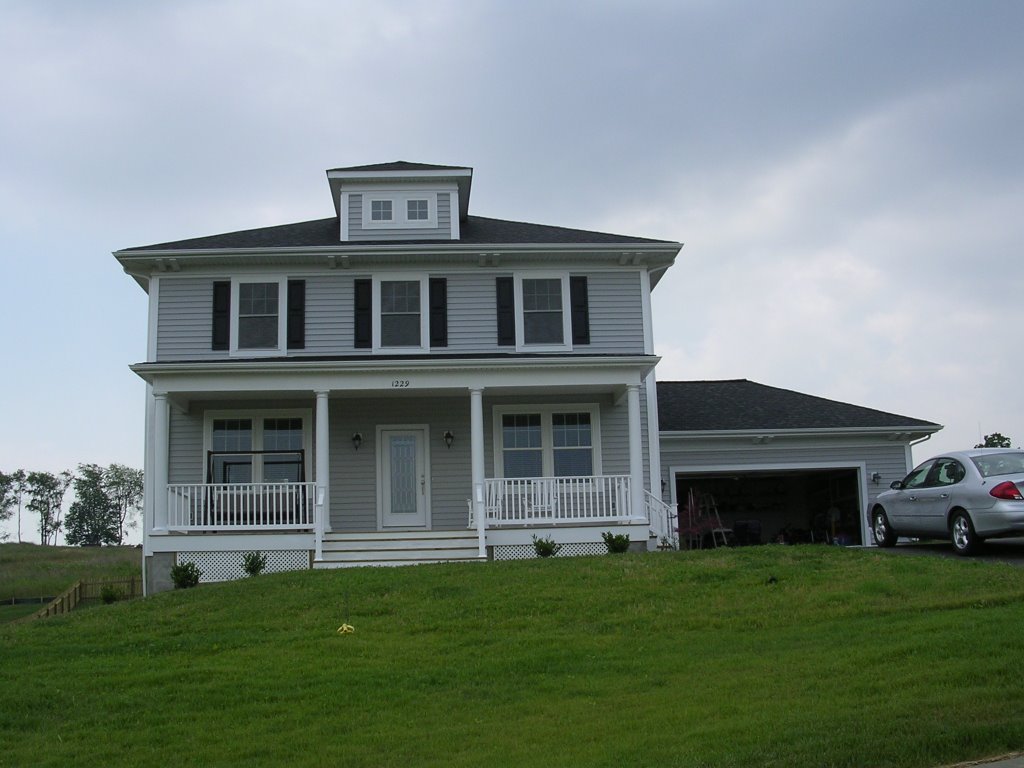
Traditional close knit Appalachian communities, from the suburbs of Knoxville, Roanoke, Asheville on down to the small villages that dot the rural landscape, evolved around distinctive civic spaces. Central shopping areas, town squares, churches and parks are elements that people tend to gravitate toward as they chose where to make their homestead. As these communities were developed, the architectural styling shifted from a vernacular nature to one of popularity. What I’ve described below are the main architectural styles that, over that past 150 years, have changed only in the materials used to build the homes. The look is timeless, unlike the contemporary brick and vinyl cladded McMansions that pop up in former pastures across the countryside. I’ve included pictures of old and new homes to compare the elements used on each. In some cases, the only give away to the age of the home is to look at the landscaping around the structure.

Victorian
The Victorian house is designed in the tradition of carpenter Gothic cottages which were popular in the last half of the 19th century. Most Appalachian communities boast a large variety of Folk Victorian, Shingle and Queen Anne cottages, most of which are painted white with white trim. The house forms are decorated with ornamental moldings (mostly in the fashion of vines or leaves) on porches and steeply pitched gables and dormers.


Classical
The architecture of ancient Greece and Rome was the principle source for American interpreters, like Thomas Jefferson. Many of America’s classically styled houses were constructed by builders using so called “Pattern Books”. Books such as Asher Benjamin’s American Builder’s Companion became a standard resource enabling frontier builders to construct proportionally correct architectural cornices, windows and doors. Classically styled houses in Appalachia use the principals of Georgian and Adam composition. Round tapered columns supporting a second floor porch or a gable forward porch roof are most common. On multi-story homes, the first floor windows are typically taller than those on the second floor and above.


Colonial Revival
This was the most popular style for domestic architecture in Central Appalachians from 1900 until 1940. Its principal areas of elaboration are entrances, cornices and windows. The original Colonial Revival style marked a rekindling of interest of early American houses along the eastern seaboard. The style is preceded by the Georgian and Classical principals of balance and symmetry. It is distinguished from earlier Classical forms in the scaled down proportions of the elements. Windows will be wider than tall, slender Classical windows, and porches will have more slender, less ornate columns. One of the principle design elements is the side porch, which is often screened-in as a summer sitting porch.


The Appalachian Farmhouse
The farmhouse is a vernacular style that grew out of Colonial and Classical house types and later added elements popular in the Victorian era. This distinctive style is the hallmark of rural Appalachia. Mixing Classical and Victorian era elements such as window, doors, trim and porch detailing is a common feature. This house type has deep front porches, typically the full width of the main body of the house. The farmhouse also takes on a style of its own with an asymmetric shape, sometimes in an “L” shape.


Craftsman
The English Arts and Crafts movement was a principal inspiration for the Craftsman style. Inspired by the work of the Greene Brothers, the Craftsman style became the most popular American small house form at the turn of the 20th century. House kits from the Sears, Roebuck & Company helped to spread this and the Four-Square architectural style into Appalachia. The most common forms are single story and one-and-one-half story with a partial or full width single story front porch. The one story style is often referred to as the “Bungalow”. These homes often have large roof overhangs with exposes rafters and brackets attached to the house that appear to be bracing the roof structure. Oversized porch columns are also an element that distinguishes the Craftsman from any other style of architecture.


The American Four-Square
The Four-Square is a subtype of the Prairie school of architecture, one of the few indigenous American styles. Originating in the Midwest, this style spread rapidly with the publication of the Prairie School pattern books. The American Four-Square became a common house type in the early 1900’s suburbs. These houses are simple, square two-story structures with low pitched roof structures, sometimes with a front facing dormer. Most have wide front porches with massive columns supporting the roof.


Saturday, January 06, 2007

Biennial budget amendments announced

I found this posted at the Virginia Tech web site. Now I know why.

They were a big winner. The commonwealth of Virginia had 1$ billon bucks left over because of "additional revenues beyond projections, cost savings, and unspent funds". Since there are about 7.5 million people in the commonwealth, they government could have refunded each of us about $135.....but noooooo.

Instead, half goes to transportation, higher education for things like "operating support and capital projects", "new capital projects, equipment, cost overruns", "operating programs, including base budget adequacy, financial aid, operations and maintenance of new facilities, a three percent faculty". Base budget adequacy? What the heck is that?

And VPI&SU got money for base operating support and need-based financial aid.

Lastly, Tech got bucks for

$3 million in equipment for the Institute for Critical Technology and Applied Science facility, and cost overrun funding for the Institute for Critical Technology and Applied Science, the Building and Construction Lab, and Cowgill Hall renovations.
What is this ICTAS? Well its is suppose to:

create a seamless path from fundamental research…through applied research and development…to technology transfer
Why is there an ICTAS?

Based on detailed analyses of factors that contribute to national rankings and on benchmarking at top-line universities, the paradigm of ICTAS has emerged as a vital vehicle to move the university in its research rankings.
All because

In April 2000, the newly inaugurated president of Virginia Tech, Charles Steger, stated the goal of raising the university into the ranks of the nation's foremost universities by 2010.
Why not give our money back? Politician are very generous with someone else's money.

Give me back my money!

Sunday, December 31, 2006

Appalachia A-La-Carte 12-31-06

Headlines

Appalachian author Wilma Dykeman dies at 86.

Coal industry zeros in on way to strengthen underground seals

Funds called of little use to black lung victims

Burns Creek, Wise County, VA


"Water is a living thing: it is life itself. In it life began."

- Wilma Dykeman

Saturday, December 30, 2006

Weekend Nine: The Good Doctor Walker

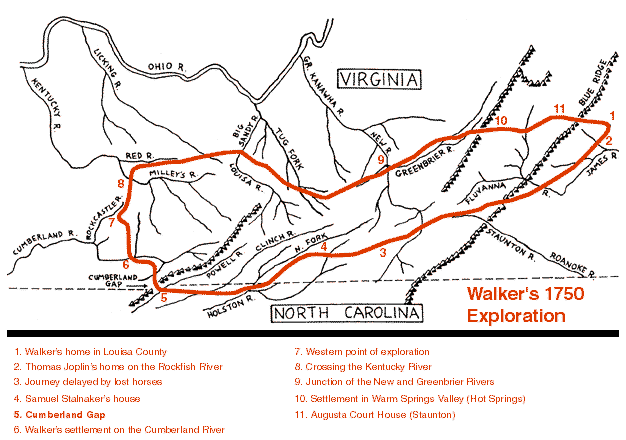
The Route of the 1750 Expedition of Dr. Thomas Walker
(Image from the The National Park Service)


I want to introduce another explorer from the age before America was America and before (all) the eastern native American peoples had been driven from their homelands. I first heard his name in association with the geography near my home in Bluefield, attached to two mountains. To the south, defining the edge of what, to my youthful consciousness, was the hinterland of a sort of "Greater Bluefield" was a great old mountain named Big Walker which separates Bland and Wythe Counties in Virginia. Big Walker Mountain, along with nearby Little Walker, is a truly beautiful pile, and is host to a tremendous, if relatively short, scenic byway. Well, as so often with geography (especially on our home turf) I never thought to ask anyone, hey, what or who are the Walker Mountains named after? It was only recently, after a conversation with my wife about Wytheville, Virginia that I even realized I didn't know. Come to find out, the mountains are named after one of the greatest explorers in American history - one who rivals the likes of such great folks as Daniel Boone, Davy Crockett, and the lesser known (but equally intriguing) Henry Timberlake.

Well, there are any number of ways I could introduce you the man named Doctor Thomas Walker, a man who was a friend and confidant of Thomas Jefferson and who discovered the Cumberland Gap (long before it had a European name). But, it being the weekend, and there being a plethora of great bowl games, not to mention the fact that everything I'd be telling you would be, essentially, a quote from someone else's website, well, I think it is time for a glut of links, accentuated by an equally delightful glut of quotes. Huzzah!

1) Journey Through Hallowed Ground: A National Register of Historic Places Travel Itenerary Along Route 15 in Virginia's Piedmont: Castle Hill:

Here in 1781 Walker's wife delayed the British colonel Banastre Tarleton to give the patriot Jack Jouett time to warn Thomas Jefferson and the Virginia legislators of Tarleton's plan to capture them.

2) National Park Service: Dr. Thomas Walker:

Walker developed great skill and reputation as an explorer and surveyor and in 1743 led an expedition as far west as present-day Kingsport, Tennessee. In March 1750, he led another expedition through present-day Kentucky that lasted four months. Click here to see the path of the expedition. It was during this expedition that Walker discovered Cumberland Gap and recorded its existence in his April 13th diary entry:

"We went four miles to large Creek, which we called Cedar (Indian) Creek, being a branch of Bear Grass (Powell's), and from thence six miles to Cave Gap (Cumberland Gap), the land being levil [sic]. On the north side of the gap is a large Spring, which falls very fast, and just above the Spring is a small entrance to a large Cave (Cudjo Cavern), which the Spring runs through, and there is a constant Stream of cool air issuing out. The Spring is sufficient to turn Mill. Just at the foot of the Hill is a Laurel Thicket, and the Spring Water runs through it. On the South side is a plain Indian Road… This Gap may be seen at a considerable distance, and there is no other, that I know of, except one about two miles to the North of it, which does not appear to be so low as the other."


3) Dr. Thomas Walker Kentucky Historic Site:

A physician and surveyor, Walker led the first expedition through Cumberland Gap in 1750. Dr. Walker was an agent for the Loyal Land Company of Virginia and was exploring the western wilderness seeking land for settlement. Near the river, which he named the Cumberland, Dr. Walker built the first cabin in Kentucky, a replica of which stands on the site today. Dr. Walker’s journal, recorded during his four-month exploration, described plentiful wildlife, thickly tangled woods and rugged terrain.

4) Sandi Gorin (on Rootsquest) "The Famous Walker Line":

In 1776 the Virginia House of Delegates defined the northern boundary
of the Kentucky District as the low-water mark at the mouth of the Big
Sandy, on the northern shore of the Ohio River. This boundary followed the
Big Sandy River from that point to the junction of the Tug Fork, and from
there up to the Laurel Ridge of the Cumberland Mountain to the point where
it crossed the Virginia-North Carolina line (known as "seven pines and two
black oaks). When Virginia agreed to separate Kentucky in the Compact of
1789, that description was accepted.

In 1779-80, The Virginia-North Carolina dividing line was extended
westward to the first crossing of the Cumberland River. From this point
west to the Mississipppi, Thomas Walker surveyed the line for Virginia.
This took him through dense forests, over rugged mountains - a most
difficult task. According to R S Cottrill, in an article dated 1921, this
line almost immediately caused a tremendous amount of dispute for many
years between Kentucky and Tennessee. When Kentucky became a state in
1792, it immediately began to "find fault" with the line as drawn by
Thomas Walker in 1779.


5) Virginia is for Lovers: Thomas Walker Old Fashioned Days (in Ewing, Virginia):

Thomas Walker Old Fashioned Days will be held at the Thomas Walker High School parking lot in Ewing. Join us for a celebration of frontier heritage including crafts, craft demonstrations, children's games, beauty pageant and great home cooking.

6) Albemarle Adventurers: Thomas Walker:

He also had great influence in dealing with Indian affairs. Walker represented Virginia at the Treaties of Fort Stanwix and Lochaber and dealt with the peace negotiations after the Battle of Great Kanawha. In 1775, Walker served as a Virginia commissioner in negotiations with representatives of the Six Indian Nations in Pittsburg.
(Be sure to check out all the sub-links on this one)

7) The Kentucky Highlands Project: Journal of Doctor Thomas Walker:

28th We kept up the River to" our Company whom we found all well, but the lame horse was as bad as we left him, and another had been bit in the Nose by a"Snake. I rub'd the wound with Bears oil, and gave him a drench of the same and another of the decoction of Rattle Snake root some time after. The People had built a house 12 by 8, clear'd and broken some ground, and planted some Corn and Peach Stones. They also had killed several Bears and cured the Meat. This day Colby Chew and his Horse fell down the Bank. I Bled and gave him Volatile drops, and he soon recovered.

April 29th. The Sabbath. The Bitten Horse is better. 3 Quarters of A mile below the house is a Pond in the Low ground of the River, a quarter of a mile in length and 200 yds. wide much frequented by Fowl.

30th. I blazed a way from our House to the River. On the other side of the River is a large Elm cut down and barked about 20 feet and another standing just by it with the Bark cut around at the root and about 15 feet above. About 200 yards below this is a white Hiccory Barked about 15 feet. The depth of the water here, when the lowest that I have seen it, is 7 or 8 feet, the Bottom of the River Sandy, ye Banks very high, and the Current very slow. The Bitten horse being much mended, we set off and left the lame one. He is white, branded on the near Buttock with a swivil Stirrup Iron, and is old. We left the River and having crossed several Hills and Branches, camped in a Valley North from the House.

May the 1st. Another Horse being Bitten, I applyed Bears Oil as before Mention'd. We got to Powell's River in the afternoon and went down it along an Indian Road, much frequented, to the mouth of a Creek on the West side of the River, where we camped. The Indian Road goes up the Creek, and I think it is that Which goes through Cave Gap.

8) Bell County (Kentucky) Historical Society: Thomas Walker 250th Anniversary of Walker's Discovery of the Cumberland Gap:


9) Library of Congress: The First American West: The Ohio River Valley, 1750-1820:

When European Americans first entered the western country, they were intrigued and puzzled by numerous mounds and earthworks found in abundance along rivers and highlands. As early as 1750, Dr. Thomas Walker noted earthworks at the head of the Cumberland River in Kentucky.


One other note: Thomas Walker was one of the first three Virginians to import English hounds and took part in the early breeding of coon hounds in the Blue Ridge mountains. . . I don't know much more than this, but I'm a'looking.

Wednesday, December 27, 2006

Christmas in Appalachia

"...and Lord I'm goin' home." -Bill Monroe

The Maynard Johnson Farm, near Horse Creek.


Cousins playing football.


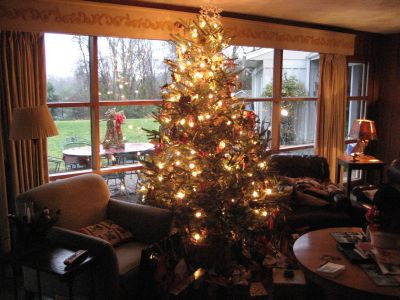
The Christmas Tree, just after sun up.


The sun sets on Christmas 2006.

Saturday, December 23, 2006

Route 11 North: Dublin, VA to Elliston, VA

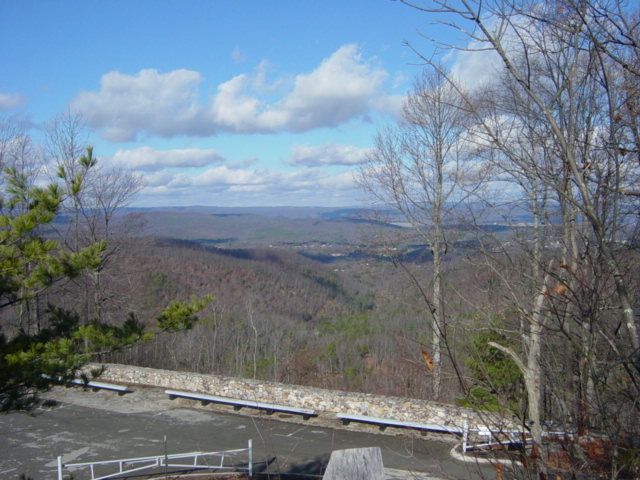
Filling in the gap of our now-four-part photo essay of Lee Highway, aka Route 11, between Knoxville, Tennessee and Mount Jackson, Virginia, I've back-tracked a bit because the sunset picture of the Draper Mountain Overlook at Pulaski didn't do the view justice. So, we'll start off there looking to the north at Cloyds & Little Walker Mountain in the background.

The first sign of civilization that you see as you drive down Draper Mountain into Pulaski is Calfee Park, most recently home to the Blue Jays of the Appalachian League. Unfortunately, Pulaski is once again team-less. Another town courted the Blue Jays away with better facilities and the promise of better attendance than what Pulaski provided.

A view of downtown Pulaski. Once a thriving business district, it has fallen victim to textile and furniture plant relocations over the past 25 years, the end of the railroad era and being by-passed by Interstate 81. Pulaski Furniture still is in operation on the edge of downtown but the number of people it employs is far below what it has been in the past.

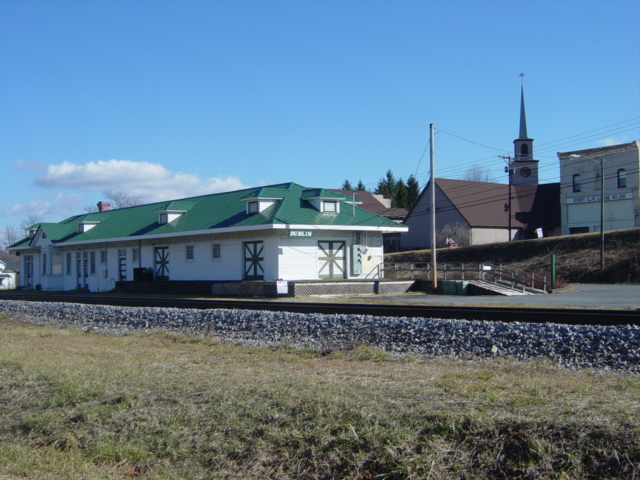
The next town along the journey is Dublin. Rumor has it that it's the fastest growing town in the Commonwealth (it's Dublin everyday!). The train station hasn't been in service since N&W stopped passenger rail service but several investors have renovated over the years. It's currently for sale if anyone here is interested. It's also on the site where Union troops in the Civil War destroyed a munitions depot and tore up the tracks leaving sites to east without easy access to the salt mines of Saltville,Va and bringing troop movement along the rails to a halt. For more on that element of the Civil War, follow this link to the Battle of Cloyd's Mountain.

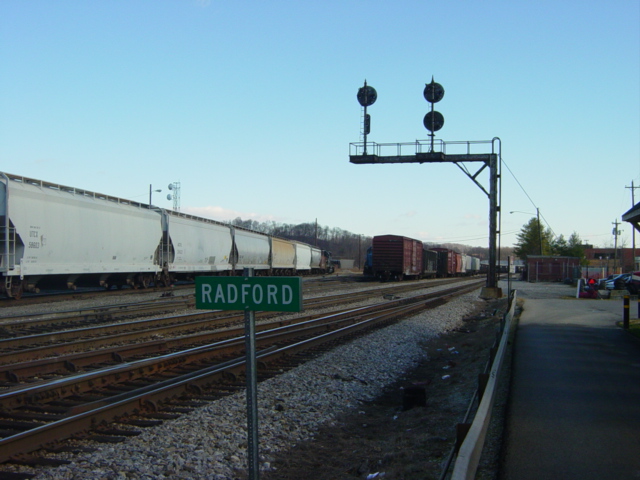
Route 11 leaves Pulaski County and enters the City of Radford when the road crosses the New River. Travelers have been able to cross the river span since 1891. Before then, people were pulled across the river using the Ingles Ferry, Dudley Ferry or Peppers Ferry.

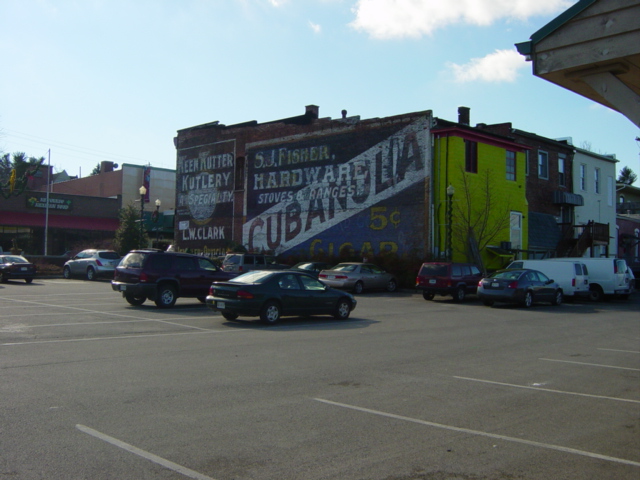
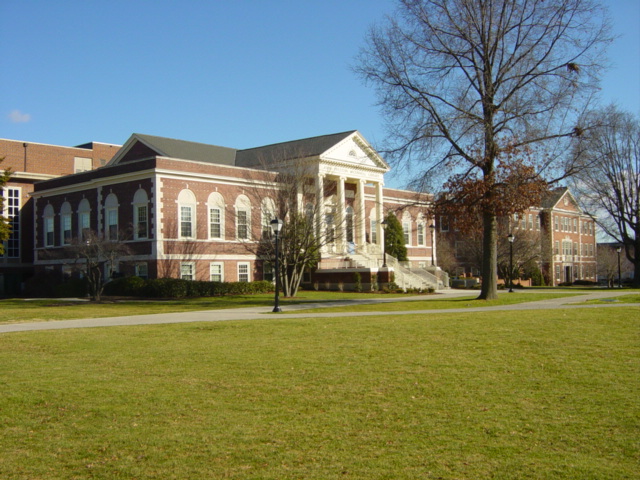
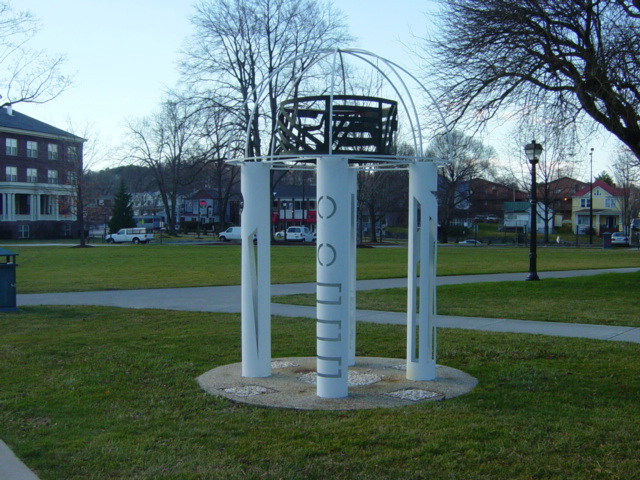
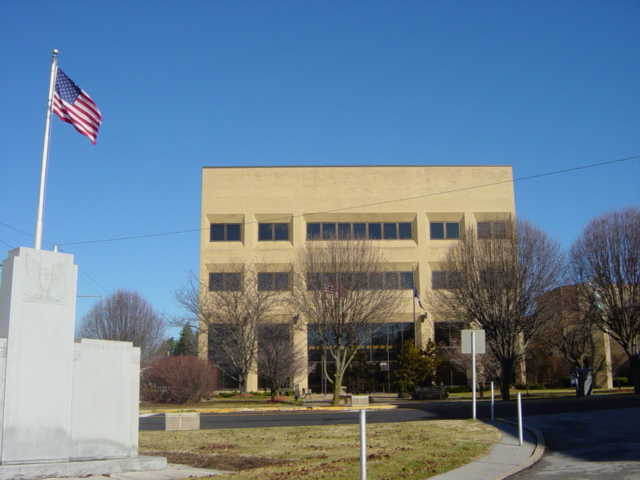
At one point in time, the powers that be within the railroad company needed a place to manufacture rail cars and steam locomotives. Two sites in western Virginia were in the running for the facility, Radford and Roanoke. Of course, the Roanoke site was chosen and the city grew by leaps and bounds because of it. Radford served as a refueling and watering center for trains that had just chugged up Christiansburg Mountain from Roanoke en route to Bristol, Bluefield and Hinton. A view of downtown Radford and Radford University.

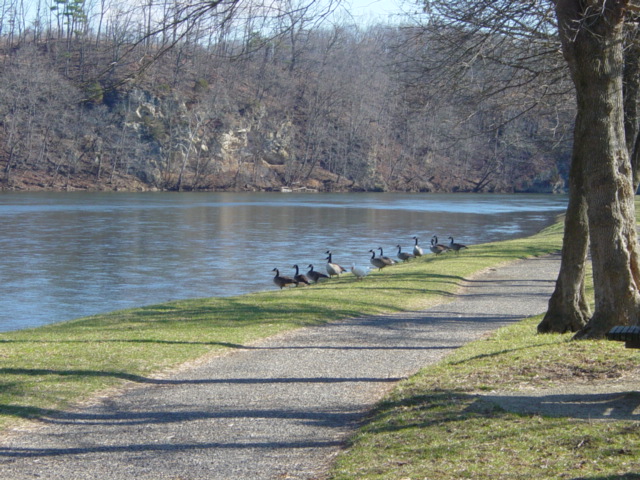
A view of geese along the New River at Radford University's Dedmon Center


The Montgomery County Courthouse in Christiansburg might be the ugliest courthouse in the Appalachian region, if not the country.

Route 11 intersects Interstate 81 again at Christiansburg. This might also be the only place that you can find a Waffle House, an American Institution™, along the old road south of Lexington. This particular part of Route 11 is at the top of Christiansburg Mountain, where you leave the Gulf of Mexico watershed and enter the Albemarle Sound watershed. Waters to the west flow into the New River and waters to the east flow into the Roanoke River.


"The Straightaway" is a 1.8 mile stretch of perfectly flat and straight road between Shawsville and Elliston. Route 11 bisects the flood plain of the South Fork Roanoke River in this rich farmland. I have worked with two people that were raised in this area, one in his 60's and one in his 30's. Both have some good stories of the races that took place on this road in their youth.

Lastly, the moment before the battery on my camera died, The Roanoke River Wayside.

If not for a dead camera, I had planned to connect the dots all the way to Troutville but it's probably for the better. Visiting the busy streets of downtown Salem and Roanoke the weekend before Christmas would have left me needing some moonshine to calm my nerves. I'll leave that section for another day.

Virgil Goode

Thomas Jefferson, Former Resident of What is Now Virginia's 5th District,
Whose Self-Written Epitaph Stated:
Here was buried Thomas Jefferson Author of the Declaration of American Independence ,Of the Statute of Virginia for religious toleration, & Father of the University of Virginia.
(Via the Library of Congress)


I don't really want to have to comment on Congressman Goode's (the 5th District of the Commonwealth of Virginia, which takes up much of the Shenandoah Valley and Blue Ridge Mountains) remarks - my stomach turns a bit every time I think of them. But frankly, it needs to be done. So here goes.

First, let's take a gander at the letter he sent out to his constituents that sparked the entire controversy (via the Richmond Times-Dispatch):

Dear . . . Thank you for your recent communication. When I raise my hand to take the oath on Swearing In Day, I will have the Bible in my other hand. I do not subscribe to using the Koran in any way. The Muslim Representative from Minnesota was elected by the voters of that district and if American citizens don't wake up and adopt the Virgil Goode position on immigration there will likely be many more Muslims elected to office and demanding the use of the Koran. We need to stop illegal immigration totally and reduce legal immigration and end the diversity visas policy pushed hard by President Clinton and allowing many persons from the Middle East to come to this country. I fear that in the next century we will have many more Muslims in the United States if we do not adopt the strict immigration policies that I believe are necessary to preserve the values and beliefs traditional to the United States of America and to prevent our resources from being swamped. The Ten Commandments and "In God We Trust" are on the wall in my office. A Muslim student came by the office and asked why I did not have anything on my wall about the Koran. My response was clear, "As long as I have the honor of representing the citizens of the 5th District of Virginia in the United States House of Representatives, The Koran is not going to be on the wall of my office." Thank you again for your email and thoughts.

Sincerely yours,
Congressman Virgil Goode
I am not going to comment on the fact that the Congressman obviously believes that the separation of Church and State is really just a vague suggestion, and that the religion should be Christianity (probably whatever denomination he adheres to at home) - that said, he has the right to hang whatever he wants in his office - see, Representative, rights work both ways. And I'm not going to comment on the fact that apparently the Congressmen did not realize the representative to the United States is not a naturalized immigrant, but an American by birth who can trace his family's roots into the 18th Century. I will say that he has obviously decided he does not like Muslims and wants no more of "those people" here - reminds me of the insults that used to be levied against folks like the Irishmen in my family. It is called bigotry, and I am horrified that a member of Congress from Appalachia is apparently proud of his. I hope the readers and writers in this community agree.
What I want to point out are a couple of key points. First, in the United States no citizen can be required to swear an oath, and no citizen can be required to swear or affirm on a religious text. This logic was worked into the earliest drafts of the Constitution and its predecessor documents in order to guarantee its support by Pennsylvania Quakers. Second, Jews in the Union have long often sworn on the Torah or extended Hebraic scriptures, Muslims on the Quran, Roman Catholics on Bibles with the Apocrypha, Mormons on the Book of Mormon, and so on - why? Because the act of "swearing", while political and legalistic, is also intimately private - legally you are swearing to the state - in choosing a religious text of your choice (or the absence of one) you are personally swearing to whatever being, beings, and/or traditions you personally revere. Again, it is religious freedom, Representative Goode.

Also, the defenders of Goode keep referring to the Jewish and Christian roots of the American political system. I'm afraid this is where they're fairly sadly mistaken. The American social system, and indeed, to a degree, the American economic system is largely based on Jewish and Christian roots. But the American political system is based almost entirely on pre-Christian, polytheist Greek and Roman political institutions and philosophy, institutions and philosophy that Christian Medieval Europe would likely have forgotten were it not for the efforts of Islamic, predominately Arab, scholars. Of course, our bureaucracy is largely based on the principles of the Chinese bureaucracy, filtered through those Greek and Roman roots, and our military is heavily influenced by native American and Mongol ideals (as well as, of course, Greek and Roman pre-Christian), but who am I to split hairs. The exception? The one place in American government that is heavily influenced by traditional Christian political philosophy? The American welfare system so generally reviled by most folks who want a Christian theocracy in the Union. Now, that's not to say that Christianity and Judaism don't have a hugely important place in the our nation, cause they do. But our political system is based on pragmatic concepts, not ideological or theological precepts - that is why people who disagree as much as all the various religious groups in our wonderful nation CAN disagree and still be politically great.

Oh, and Representative Goode, no one is trying to make you or anyone else swear on a Quran - quit acting like you're brave for not doing so.

To end, I just want to recommend the literature written by a gentleman who, were he alive today, would reside in Goode's district - his name was Thomas Jefferson, and he was from a nice hill-town of Charlottesville. After all, it was Jefferson who wrote the Bill for Religious Freedom, which made the Commonwealth of Virginia (then containing West Virginia and Kentucky) the first secular state in the history of humanity.

Friday, December 22, 2006

We Are Marshall

November 14, 1970...seems like a normal date. But is was a date to change the city of Huntington, the state of West Virginia, and a lot of sports fans everywhere. That was the day 75 people including most of the Marshall Thundering Herd football team died in a plane crash near Huntington. From the official report...

Southern Airlines Flight 932 left Kinston, North Carolina, at 6:38 p.m., carrying the Marshall University football team, coaching staff and fans to Huntington, West Virginia. After an uneventful flight, the crew contacted Huntington Airport tower at 7:23 p.m. and were cleared for a localizer approach on runway 11. The weather conditions were poor, mist and light rain with broken clouds at 500 feet. The plane descended below the Minimum Descent Altitude, striking trees on a hillside about one mile from the runway. The plane then crashed and burned.
I was 12 at the time. In the sixth grade. And growing up in Oceana, Wyoming county, West Virginia. I don't remember hearing about the crash. I don't recall even knowing about Marshall University. Sadly, for me there are no memories.

Ironically, in the fall of 1976, I would be a freshman at Marshall. I would pass by the Memorial Fountain outside the student center, and it would be just a fountain. I had no idea of the meaning. Even after 4 semester at Marshall, staying in 606 Twin Towers East, the full magnitude of the accident, just a few years earlier, never registered. It was never talked about.

But looking at the info on those who died causes me to think about how bad that day must have been. The people who came together in 1971 to rebuild the football program, were gone by the time I arrived in 1976.

The pilot, was a veteran of World War II and Korea. He had 18,500 hours logged as a pilot. Considering that I work a 40 hour week, this pilot had the equivalent of 9 years of flying 40 hour per week. He was experienced. From the report, the most likely causes were...

he Board has been unable to determine the reason for this descent, although the two most likely explanations are: a) improper use of cockpit instrument data; or b) an altimetry system error”

Even if I don't remember the actual event, I can understand the sorrow cause by of this crash.

I transferred from Marshall after 2 years and finished up at another school. But now, through this movie, I have grown closer to one of my old schools. In all this time, I never understood the magnitude of the crash, now I understand it better.

If possible, I will see "We Are Marshall" on the big screen.

The Weekend Five: The Return of ETSU Football

The Once and Future East Tennessee State Buccaneers
(Photo from Buc Football & Friends Foundation,
a Great Site Worthy of Substantive Inquiry)

East Tennessee State University played its final football game in November of 2003 - right after they first appeared on their first video game, by the by. I never saw ETSU play live, but I did see a few of their games on the old tube, and I will definitely say it makes me sad to see any school have to shut an athletic program down by reason of inadequate funding (tears in heaven). Today something happened - Buc football is back. Probably.
1) Kingsport Times-News - "Stanton Supports Bringing Football Program Back to ETSU, Millions in Funds and Board of Regents Approval Still Needed"

2) East Tennessee State Athletics - Football Retrospective Page

3) Buc Football & Friends Foundation

4) Bristol Herald Courier - "ETSU President Supports the Return of Football"

5) ETSU Football Task Force Report

I'm sure we'll be back to this one soon - Mr. Kerns, I'm looking at you.
Merry Christmas, Happy Hanukkah, and Feliz Futbol Notreamericano.

Thursday, December 21, 2006

Dr. Ralph Stanley and the Clinch Mountain Boys at the Birchmere


I had the opportunity to see the December 16 concert at The Birchmere with my wife Emily. The concert was enjoyable, although the band seemed a little full of themselves at times. Ralph sang on a majority of the songs, but sat a few out. He said he'd overdone it the night before. A real treat was when he played the old claw hammer style on the banjo.

A partial set list included:

O Death
Rank Stranger
A Robin Built a Nest on Daddy's Grave
I’ll Fly Away
Pretty Polly
Sandy Ridge
Mary Merry Christmas
Orange Blossom Special
Mountain Dew (Last two were best of night in my opinion)

A considerable amount of time was spent promoting merchandise, which the band shamelessly admitted, but I felt it detracted from the show a bit. The "Play It And They Will Buy" approach seems like it would work better.

Overall, it was good music and another great opportunity to see a legend play live.